

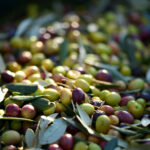


Olive cultivation is strongly influenced by environmental and management factors, among which nutrition plays a crucial role. A well-planned nutritional strategy can enhance yield, improve oil quality, and strengthen the plant's resistance to biotic and abiotic stresses. Proper fertilization helps maintain a balance between vegetative growth and fruit production, preventing nutritional imbalances that could compromise long-term olive grove productivity.
Importance of Olive Tree Nutrition
The olive tree is a hardy plant capable of adapting to various soil and climatic conditions. However, to achieve consistent and high-quality production, it is essential to provide the tree with all the necessary nutrients during its annual cycle. Olive tree nutrition should not be left to chance but must be planned according to the plant's physiological needs and soil characteristics.
Phenological Stages and Nutritional Requirements
The olive tree's nutritional needs vary depending on its phenological stage. The key stages of the production cycle and their nutritional requirements are as follows:
-
Vegetative Recovery (Late Winter - Early Spring)
-
The tree begins to develop new buds and leaves.
-
A balanced nitrogen supply is crucial for promoting vegetative growth.
-
The use of biostimulants can aid recovery after the winter period.
-
-
Flowering and Fruit Set (Spring - Early Summer)
-
This phase is critical for the year's production.
-
Boron plays a key role in flower fertility and fruit formation.
-
A balanced phosphorus supply helps improve flowering.
-
-
Fruit Growth (Summer)
-
During this stage, the fruit increases in size.
-
Potassium supply becomes essential for olive size and quality.
-
Irrigation must be managed carefully to avoid water stress.
-
-
Maturation and Oil Accumulation (Late Summer - Autumn)
-
The plant focuses on accumulating oil in the fruit.
-
The use of potassium-based fertilizers and micronutrients can enhance oil yield.
-
Monitoring the plant’s nutritional status is essential to ensure final product quality.
-
Key Nutrients for Olive Trees
Olive trees require various elements to grow and produce optimally. The main nutrients involved are:
-
Nitrogen (N): Essential for leaf and shoot growth, as well as flower formation.
-
Phosphorus (P): Stimulates root development and improves flowering and fruit set.
-
Potassium (K): Promotes oil accumulation in the drupe and increases plant stress resistance.
-
Boron (B): Crucial for flower fertility and proper fruit set.
-
Magnesium (Mg): Participates in chlorophyll synthesis and aids in photosynthesis.
-
Calcium (Ca): Enhances tissue resistance and supports root development.
Fertilization Strategies
To optimize olive tree nutrition, it is useful to adopt a strategy based on periodic soil and leaf analysis. The main fertilization methods include:
-
Soil Fertilization: Involves applying granular or liquid fertilizers directly to the soil.
-
Foliar Fertilization: Particularly useful for rapidly supplying specific nutrients during critical growth stages.
-
Use of Biostimulants: Products based on algae or amino acids that help the plant overcome stress periods.
Monitoring and Adjusting the Nutritional Strategy
The effectiveness of the nutritional strategy must be continuously monitored through:
-
Soil Analysis: To assess nutrient availability and soil pH.
-
Leaf Analysis: To identify potential nutrient deficiencies or excesses.
-
Plant Observation: Symptoms such as chlorosis, stunted growth, or reduced production may indicate nutritional imbalances.
Conclusions
Careful management of olive tree nutrition is essential for achieving high and high-quality yields. Implementing strategies based on scientific analysis and proper fertilization planning allows for maximizing olive grove productivity while ensuring environmental sustainability. By adopting targeted practices and continuously monitoring plant nutritional status, olive growers can achieve more abundant harvests and superior-quality oil.


